
Programs
The Troth Clergy Program
A program to train inclusive Heathen Clergy to serve the spiritual needs of the community.

From Máire Durkan, Clergy Coordinator of The Troth
I’m thrilled to introduce myself as your new clergy coordinator and look forward to working with and for all of you.
In my role, I will be available to our community for spiritual counseling, to hold space and listen to your questions, ideas and concerns, regularly keep in touch with all our clergy and clergy candidates, offer virtual rites, attend in-person events when possible, welcome candidates to the clergy programs, and, along with my fellow clergy members, mentor upcoming clergy. As a Friggswoman, I am passionate about fostering a spirit of frith and openness.
Here’s a bit about myself: I’ve been a member of The Troth since 2016, was ordained as a Troth Godsperson in 2019, and served as the regional steward for Delaware, Maryland, and DC for several years. I am the author of “Circle of Frith”—a devotional to Frigg and the goddesses of her court. In mundane life, I am a certified birth doula, married to Patrick, my wonderful husband of 40 years, and mom to nine amazing adults and two precious grandchildren. I enjoy hiking, folk, bluegrass, jazz, and classic rock, traveling, and spending time with friends and family.
I look forward to embarking on this journey with all of you.
In frith,
Máire Durkan
Clergy Coordinator
Our godspeople are integral to our organization and the greater Heathen community.
They lead groups, create and perform rituals for holidays and life passages, and provide spiritual counsel to those in need. As Troth clergy, we are committed to serving our Troth community first and foremost, but we also look forward to representing inclusive Heathenry at events such as Pagan Pride Days, festivals, and conferences like Sacred Space and The World Parliament of Religions.
To that end, all active clergy offer virtual and in-person rites, provide spiritual counseling, and continue learning through relevant courses to support our vocation. All clergy members are required to protect vulnerable populations against different types of abuse by becoming mandated reporters.
We recognize that each individual’s spiritual path is unique.
Welcome your thoughts and suggestions for new rites and opportunities to worship and honor our great ones together. As clergy coordinator, I believe that connection, commitment, and communication are vital for spiritual growth. Therefore, we are dedicated to passionately honoring our gods/goddesses, alfar, disir, land wights, and other holy beings, teaching through workshops, serving our community locally and globally, and building frithful relationships with other spiritual communities.
Clergy Coordinator
Rev. Maire Durkan- Delaware, USA
Assistant Clergy Coordinator
Rev. Dr. Timothy A. Adams- Michigan, USA
US Clergy
Tanya Peterson-Arkansas, USA
Patricia Lafayllve- Connecticut, USA
Lonnie Scott-Illinois, USA
Robert L. Schreiwer- Eastern Pennsylvania, USA
Kurt Hohmann- Upstate New York, USA
Su Eaves-Virginia, USA
Ethan Stark-Wisconsin, USA
Ben Kowalsky-Grahek – Minnesota, USA
Kyle A. Reeese – New York (NYC), USA
Outside of the US
Kim Pierri- Denmark
Jess Miller-Nova Scotia, CA
This is the full and complete list of active Clergy for The Troth as of June 2025.
If someone is representing themselves as Clergy of The Troth and they are not on this list, then they are not active Clergy for The Troth.
The Troth’s Clergy Training Program
The Troth ordains and certifies clergy to serve the needs of their communities.
To enter the Clergy Program, you must complete a few prerequisites from our Lore Program. The Lore Program will provide a firm grounding in critical thinking about the literature and scholarship that form the basis for conversations about the many faith traditions of Heathenry.
I’m eager to get to know each of you and learn more about how we can serve our community. Please don’t hesitate to reach out to introduce yourself or if you have any questions.
Active Clergy

Rev. Maire B. Durkan
Clergy Coordinator
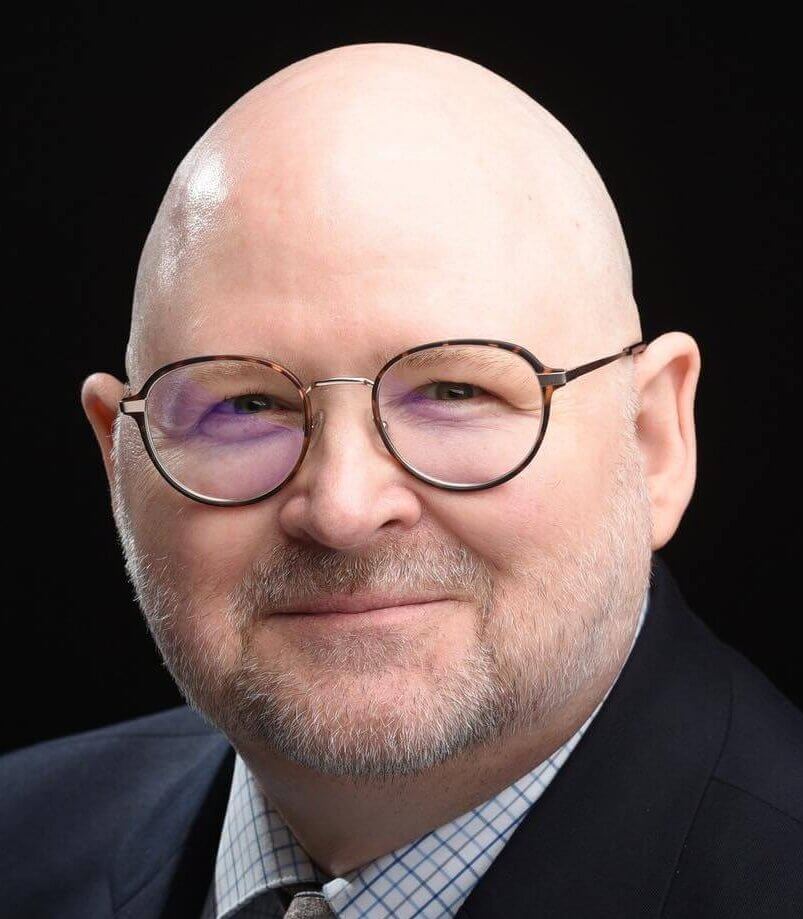
Rev. Dr. Timothy A. Adams
Assistant Clergy Coordinator
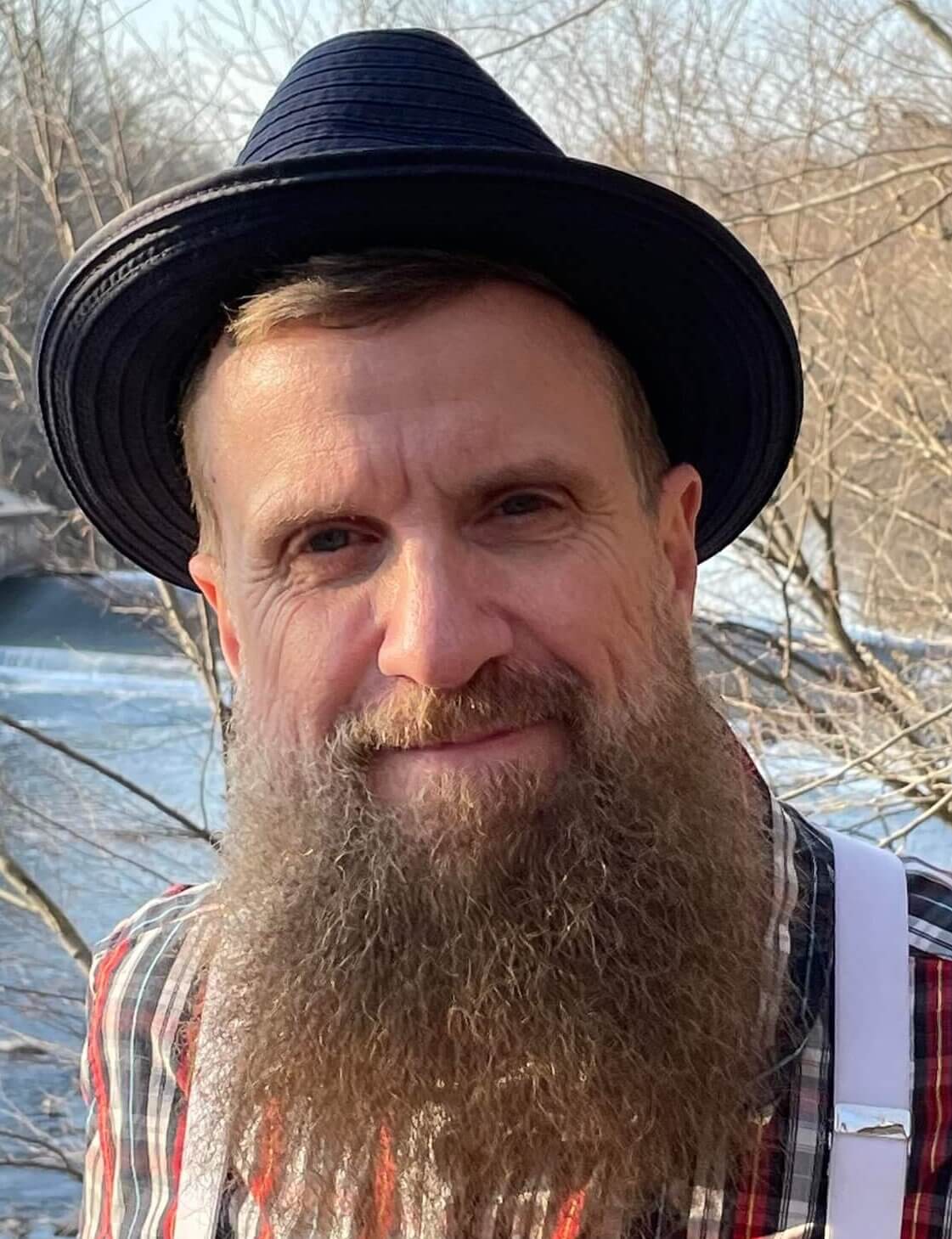
Rev. Robert L. Schreiwer
Elder
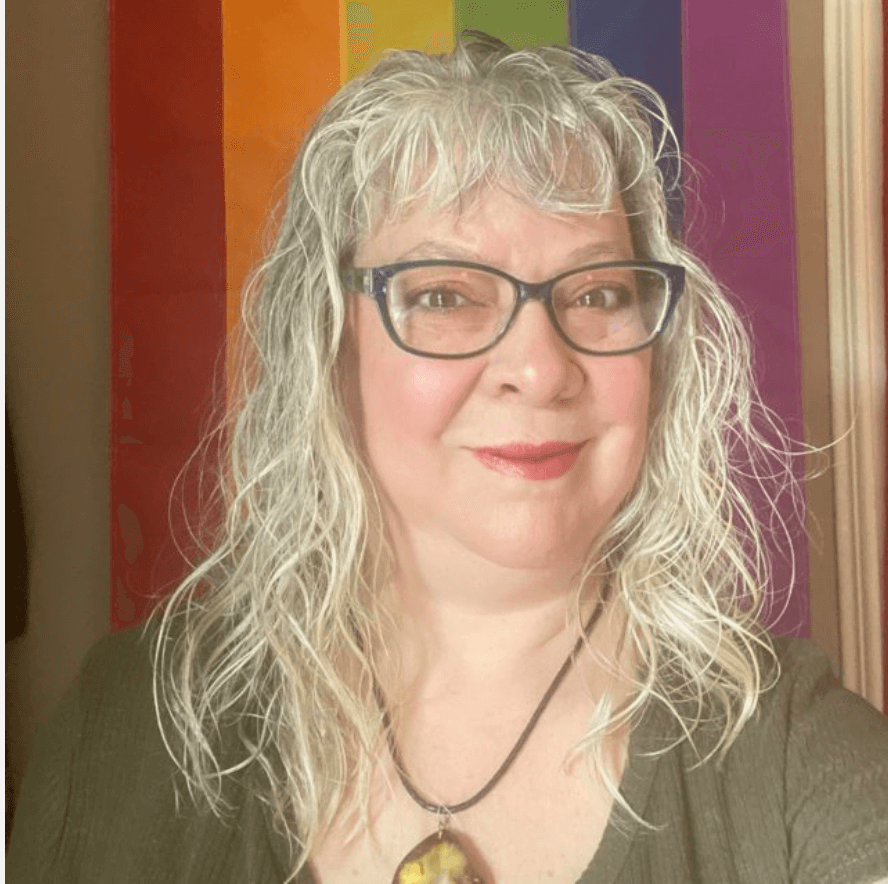
Rev. Patricia M. Lafayllve
Elder

Rev. Ben Kowalsky-Grahek
Goði
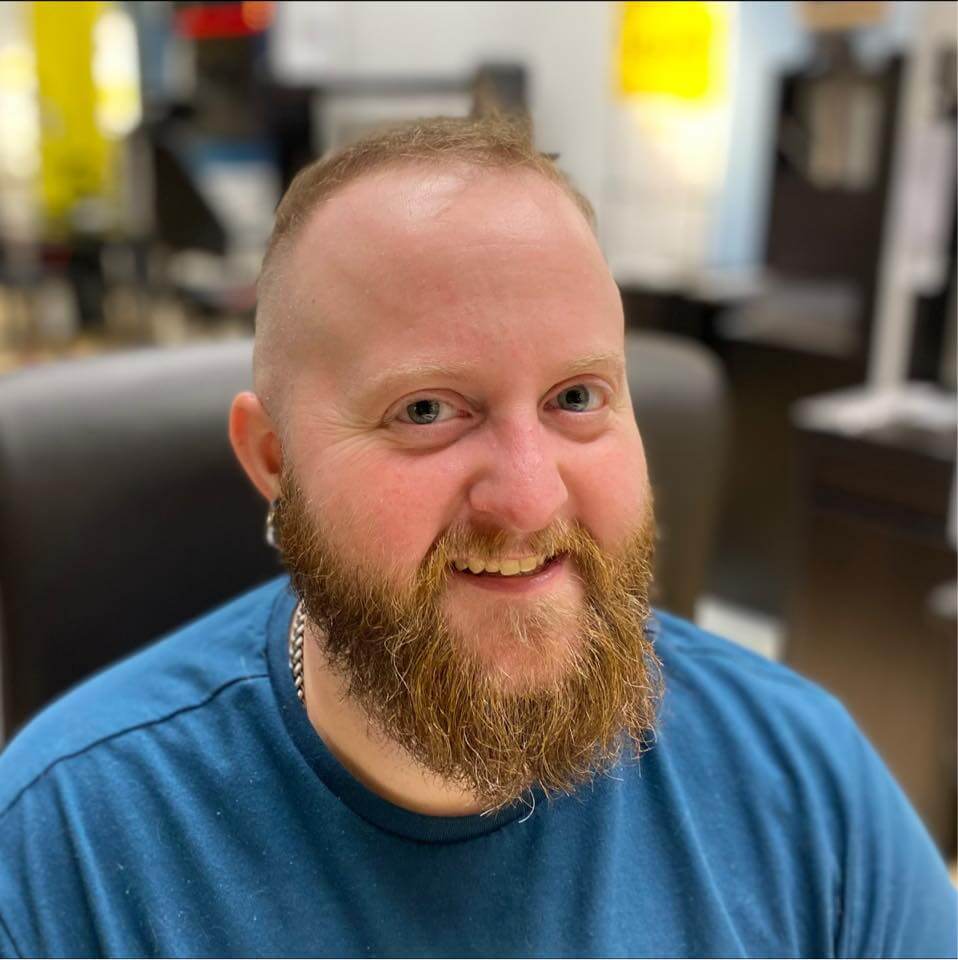
Rev. Kyle A. Reese
Goði

Rev. Kim Pierri
Goði
Rev. Kurt Hohmann
Goði

Rev. Lonnie Scott
Goði
Rev. Ethan Stark
Goði

Rev. Jess Miller
Gyðja

Rev. Tanya Peterson
Gyðja

Rev. Su Eaves
Gyðia
Clergy Policies
Clergy Privilege and Confidentiality in The Troth
Purpose
This document describes how clergy privilege (also called clergy–penitent privilege or pastoral privilege) functions in the United States, with separate sections for countries where our ministers work outside the U.S. and how confidentiality is maintained within our Heathen community. Our aim is to safeguard the trust between clergy and community members while adhering to legal and ethical duties to ensure safety and wellbeing.
What Clergy Privilege Means
Under U.S. law, clergy privilege protects private, spiritual conversations between a clergy member and a person seeking counsel, guidance, or comfort. It’s similar to the confidentiality that exists between a doctor and patient or a lawyer and client. This privilege exists to make sure that members of a congregation can speak openly and honestly with their clergy without fear that their private words will later be revealed in court or shared with others.
Who Holds the Privilege
In nearly all states, the person speaking with the clergy member — not the clergy member themselves — holds the privilege. That means you decide whether your communication remains confidential. Your clergy person cannot reveal what you said without your consent (unless required by law, as explained below). In some states, clergy also have the right or duty to refuse to disclose information in order to protect the confidentiality of the person who confided in them.
What Counts as a Confidential Communication
A conversation is considered privileged when it is private and intended to remain confidential, it is with a recognized clergy member acting in their religious role, and it is for the purpose of seeking spiritual or emotional counsel, comfort, or ritual guidance. Casual conversations or discussions in a public or group setting are not covered by clergy privilege.
Limits and Legal Obligations
Clergy privilege is protected under state law, but it is not absolute. Each state defines the boundaries a bit differently. Common limits include: • Mandatory reporting laws: In all U.S. states, clergy are required to report suspected or known child abuse, neglect, or exploitation. Some states make exceptions for information learned during a sacramental confession or equivalent ritual setting, but others do not. • Threats of harm: If a person expresses a clear intent to harm themselves or others or commit a future crime, clergy may be legally or ethically obligated to take action to prevent harm. • Non-pastoral contexts: Conversations held outside the spiritual or pastoral relationship (for example, in a leadership or employment setting) are not protected by clergy privilege.
How We Practice Confidentiality in Our Community
In our Heathen congregation, we honor frith and trust as sacred bonds. Therefore, all clergy and spiritual leaders commit to the following principles:
- Confidentiality: Everything shared in a pastoral or spiritual conversation is treated as private and sacred.
- Consent: Information will only be shared with others with your explicit permission — unless the law requires reporting to protect someone from harm.
- Safety: If there is a clear danger to you or another person, the clergy member will take the minimum necessary steps to ensure safety while respecting your dignity and privacy.
- Transparency: Our clergy will attempt to always be clear when a conversation is not fully confidential (for example, when mandatory reporting laws may apply).
In Summary
Clergy privilege exists to protect the sacred trust between spiritual leaders and those they serve. Most private spiritual conversations are confidential and legally protected. Certain circumstances may require clergy to report what they know. Within our Heathen community, we hold confidentiality as a matter of honor and right relationship, in keeping with both modern law and our own values of integrity and frith.
Clergy-Penitent Privilege Policy for Ontario, Canada
In Ontario, Canada, communications between clergy and parishioners may be protected under the clergy-penitent privilege, but this protection is not absolute and is judged on a case-by-case basis.
- Legal Framework
Ontario does not have a specific statute that codifies clergy-penitent privilege. Instead, the courts assess whether such privilege applies using the four-part test established in R. v. Gruenke, [1991] 3 S.C.R. 263, which is based on the criteria proposed by legal scholar John Henry Wigmore. These criteria are:
- The communication must originate in a confidence that it will not be disclosed.
- This element of confidentiality must be essential to the full and satisfactory maintenance of the relationship between the parties.
- The relationship must be one which, in the opinion of the community, ought to be sedulously fostered.
- The injury that would inure to the relationship by the disclosure of the communication must be greater than the benefit thereby gained for the correct disposal of litigation.
If a communication meets these criteria, it may be protected from disclosure in legal proceedings.
- Mandated Reporting Obligations
Although clergy-penitent privilege exists, clergy members in Ontario are required to report suspected child abuse or neglect under provincial law. They must do so regardless of any confidentiality agreements or religious duties. Not reporting such suspicions can lead to legal penalties.
- Practical Application
Clergy members should tell parishioners that, while they aim to keep information confidential, certain disclosures, especially those involving child abuse or neglect, might need to be reported to authorities. This openness helps set expectations and ensures they follow legal rules.
- Conclusion
In Ontario, while clergy-penitent communications may be protected under certain circumstances, this protection is not absolute and is subject to legal scrutiny. Clergy members must balance their religious duties with their legal obligations, particularly concerning mandated reporting requirements.
Clergy-Penitent Privilege Policy for Denmark
Under Danish law, clergy such as gythia or gothi in established faith communities like Harreskovens Blotgille are subject to a strict confidentiality obligation. This includes:
- Confidentiality—except for a few cases (see 2)—what you tell the minister in their role as a priest remains private.
- Exceptions are rare – the minister may only share information if necessary to prevent serious harm or crimes like sexual abuse, murder, or violence. In these cases, I can try to protect those involved by withholding names if possible.
- Scope of confidentiality – This protection applies only to what the minister learn as part of my priestly duties.
- Mandatory reporting for children and youth – Everyone in Denmark, including priests, must report if a child or young person under 18 lives in conditions that seriously threaten their health or development, or if they are experiencing neglect, violence, or sexual abuse.
Historically, the duty of confidentiality has roots in Danish law dating back to 1683. It applies to priests within recognized faith communities, with specific rules governing priests from other faiths or countries.
Questions or Concerns?
If you have questions about confidentiality or clergy privilege, please consult your clergy directly and review your state or territory laws. We are dedicated to maintaining openness, honesty, and mutual respect in all spiritual relationships.
Pastoral Care for Minors in The Troth
Children who either grow up in a Heathen religious tradition or are curious about the faith may have questions and want to direct those with an ordained clergy member of The Troth.
- Clergy members may address general inquiries about Heathen religion from minors, just as we would any members of the public, though
- It is preferred that parents or legal guardians be informed and present in the case of electronic or telephone communication.
- At no point should a member of the Clergy arrange to meet with or speak with a minor without a parent or guardian present.
-
- Clergy members may provide pastoral care and counsel to minors on specific or personal matters of faith or practice only if:
- The parent or legal guardian is a current active member of The Troth.
-
- The parent or legal guardian has given their express written permission for their child to receive pastoral care from a Clergy member of The Troth and has outlined exactly their preferences for how pastoral care is to proceed..
- The parent or legal guardian is either themselves present for any and all sessions involving pastoral care or counsel, or in writing designates another trusted adult to be present for all interactions between the member of the Clergy and the minor.
-
- For electronic communications, any communication regarding pastoral care or counseling between the minor and the member of the clergy must be copied to the parents or legal guardians of the child.