
Leadership
Board of Directors (High Rede)

Rev. Ben Kowalsky-Grahek
President (Chair)
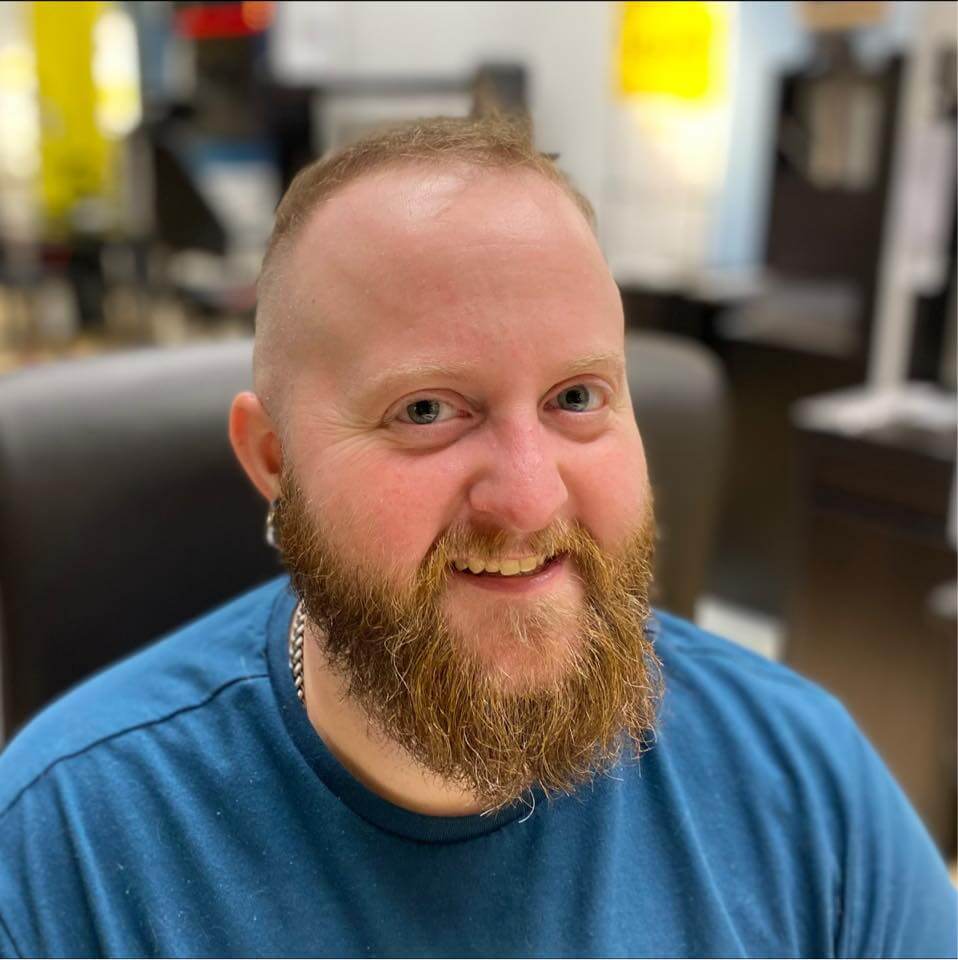
Rev. Kyle Aaron Reese
Associate President (Vice Chair)

Rev. Dr. Timothy A. Adams
Board of Directors

Alix Du Rhin
Board of Directors
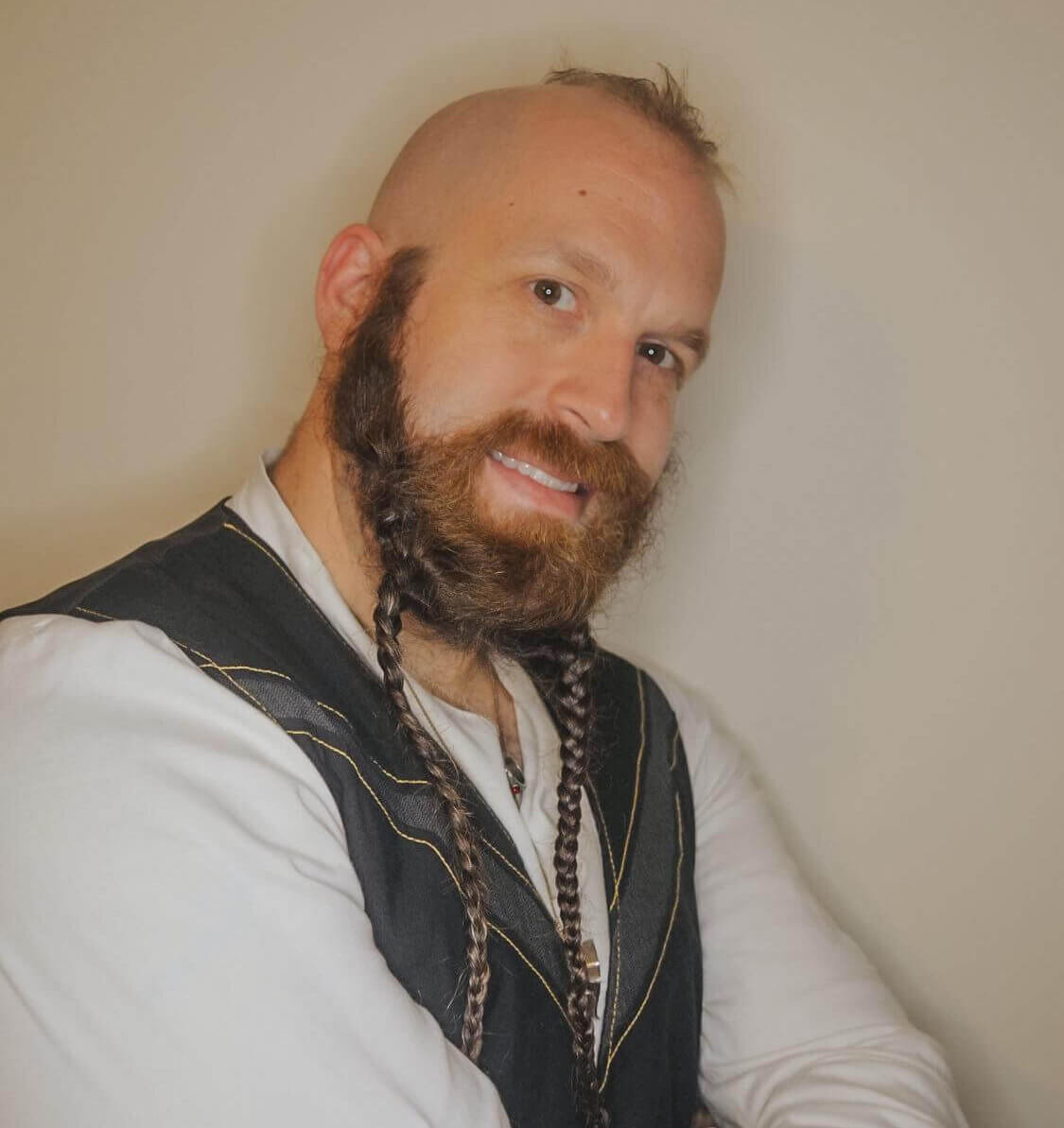
Carl Bonebright
Board of Directors

Tom de Mayo
Board of Directors
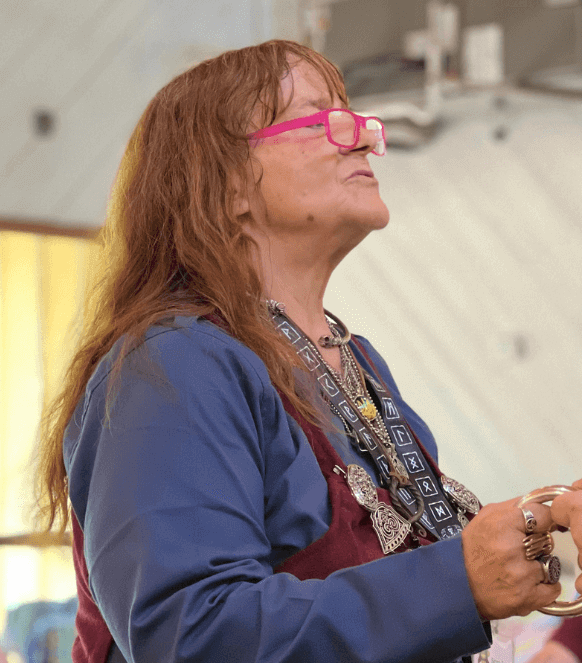
Crystal Ratcliffe
Board of Directors

Ash Glasse
Board of Directors

Russell Bisbee
Board of Directors

Sydney Moore
Treasurer

Ericka Wren
Secretary

Strongbear
Clerk
Program Directors

Maire B Durkan
Clergy Coordinator

Bryon Vierling
Heathens in Recovery
The Troth’s leadership is elected from our membership.
Every year, we hold elections to replace 1/3 of our Board. Our President is elected once every three years and may not run for two consecutive terms. Other positions are appointed to three year terms like Treasurer and Secretary, as well as appointments to chair committees. The Associate President position is appointed each year and the same person may be appointed in consecutive years.
This is how democracy is built into the foundation of The Troth and preserved through continual commitment to integrity and good governance. The leaders of The Troth are not the owners of The Troth, they are merely its appointed stewards and its elected “innkeepers” chosen from and by the membership itself. As the membership changes and grows, so will the leadership.
Any member who has been in good standing for over a year can stand for appointment or election to any office within The Troth, but may begin to participate right away by joining a committee, voting in our elections, and taking advantage of the stewardship and community organizing trainings.
Troth Leadership Code of Conduct
(Applies to directors/redespeople, officers, committee chairs, program leads, moderators/admins of official platforms, and anyone acting in an official Troth capacity.)
Leaders in The Troth must follow and hold one another accountable to the General Membership Code of Conduct as well as the following:
Use authority responsibly (no institutional bullying). Leaders must not use access, status, moderation powers, or disciplinary influence to intimidate, silence, punish, or “win” interpersonal conflicts. This includes coordinated dogpiling, public shaming by virtue of office, threats of discipline to compel speech or silence, or selective enforcement to target disfavored people.
Model Hospitality and frith with firmness. Leaders de-escalate conflict where possible and set boundaries where necessary without excusing misconduct. Leaders do not weaponize “frith” to pressure harmed people into silence, reconciliation, or “being nice.”
Integrity in governance: clarity, transparency, accountability. Leaders communicate decisions with clear reasons when feasible, document significant decisions appropriately, and correct mistakes publicly when the impact was public. Leaders do not misrepresent others’ statements or motives in an official capacity.
Fairness and non-retaliation. Leaders treat members consistently regardless of identity, status, popularity, theology, or faction. Leaders must not retaliate against good-faith complaints, questions, whistleblowing through appropriate channels, or participation in governance (including elections).
Conflicts of interest and recusal. Leaders disclose conflicts (personal, financial, romantic, organizational) when relevant and recuse from decisions where impartiality could reasonably be questioned.
Privacy, safety, and careful handling of sensitive information. Leaders protect member data and sensitive reports, share information on a need-to-know basis, and avoid “soft doxxing” (sharing enough details to identify someone). Leaders may share what is reasonably necessary for good-faith reporting or safety response.
Democratic culture. Leaders actively protect member participation in governance: welcoming questions, respecting meeting procedure, and ensuring dissent and criticism can be voiced without fear.
Sustainable stewardship. Leaders design programs to avoid single points of failure, keep basic documentation so the next volunteer can pick up the work, and raise capacity concerns early rather than letting programs drift into risk.